phonetics
-
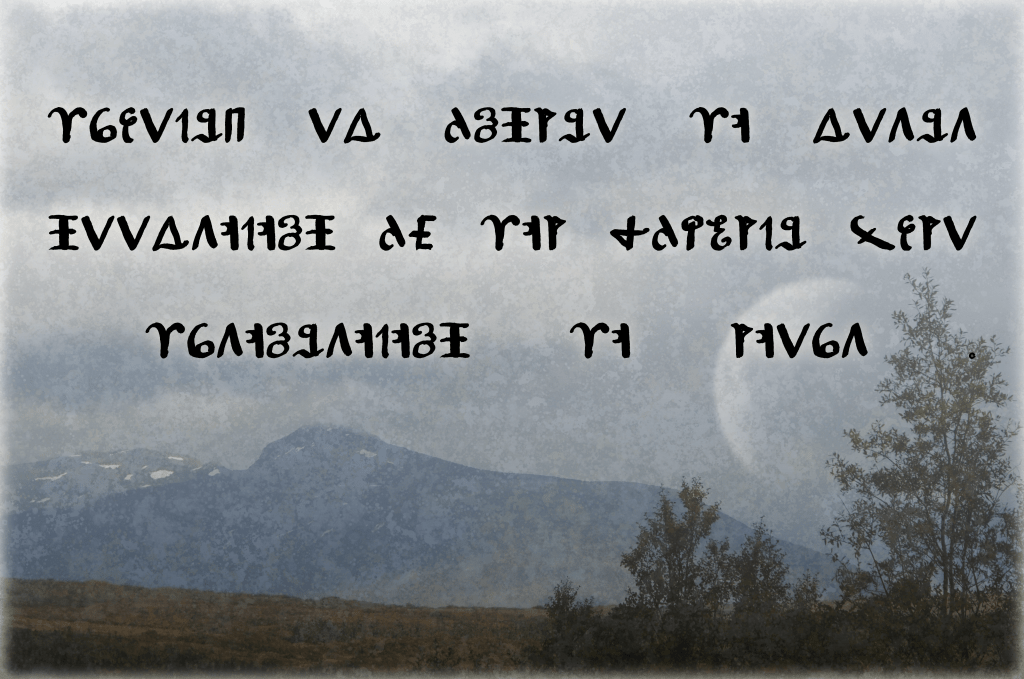
Rílin – A Conlang Review
This is a review of Rílin, an artlang created by Margaret Ransdell-Green for her personal worldbuilding project Aenith. I’ve decided to review this conlang partly because I know Margaret quite well from the conlanging community on twitter, but also because I’m huge fan of her worldbuilding project Aenith. If you…
-
The Bèshus Language: Phonology
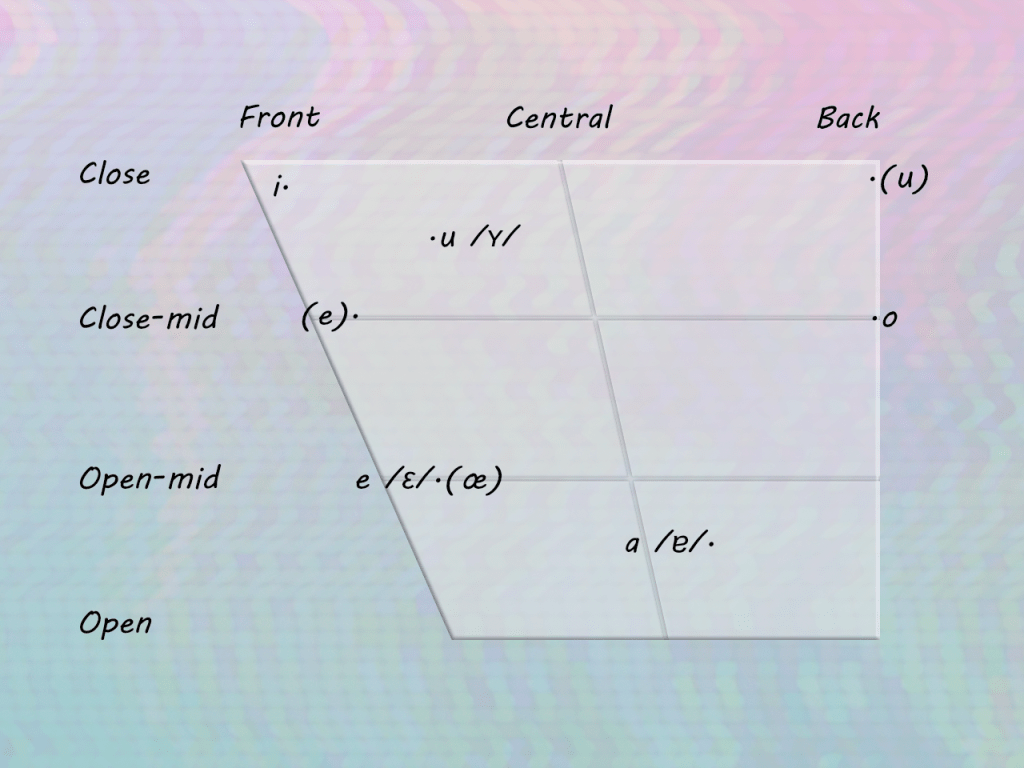
This is a summary of the pronunciation of the Bèshus language, focusing on the standard language. Bèshus is a mora-timed language with pitch-accent. The phonemic inventory comprises 21 consonants and five vowels. An introduction to the language can be found here. Consonants Broad transcription IPA is given in // where…
-
Phonaesthetics in Conlanging
Many conlangers (including myself) focus on linguistics when creating our conlangs. But while learning linguistics is very useful, we shouldn’t forget there is a creative side that needs to be considered. One way in which you can express creativity is through how the conlang ‘sounds’, i.e. its phonaesthetics. This is…
-
An In-Depth Guide to Creating a Phonology – Part 4: Tones and Pitch Accent
In the previous part, I explained the various different types of suprasegmentals that you could include in your conlang. However, I intentionally left out pitch accent and tone because I wanted to talk about them more in-depth. A lot of people see tone as a difficult concept to grasp, but…
artificial language, Chinese, conlang, Conlanging, constructed language, contour, contour tone, downstep, fictional language, floating tone, language, linguistics, Mandarin, phonetics, phonology, pitch, pitch accent, register, register tone, suprasegmentals, syllable, tone, tone sandhi, tone terracing, tonogenesis, upstep, Worldbuilding -
An In-Depth Guide to Creating a Phonology – Part 2: Vowels
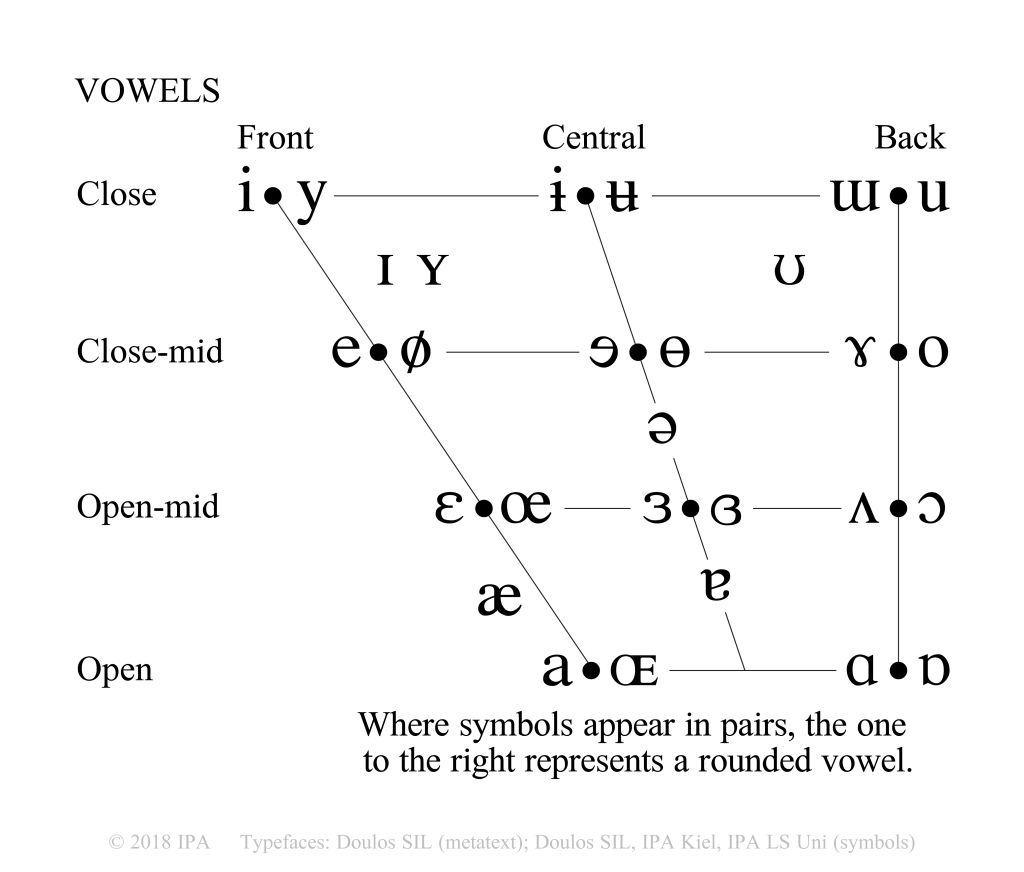
In the last part of this series, I discussed how to create a consonant inventory. So in this part, I will be covering vowels. One major misconception about vowels is that English has five vowels. Actually, written English has five letters that represent vowels (sometimes ‘y’ can as well), but…
 Stephen Escher